A Practical Review of Ball Mom Soccer Mom Embroidery Design
Whenever a new design lands in my digital library, my first question isn't just "Is it cute?" but "Will it stitch out beautifully and sell well?" I’m reviewing Ball Mom Soccer Mom from that exact perspective—as someone who will turn this graphic into a physical, stitched product for a client or my own small shop. Let’s talk about how this design feels and where it truly shines.
The Immediate Charm & Crafting Personality
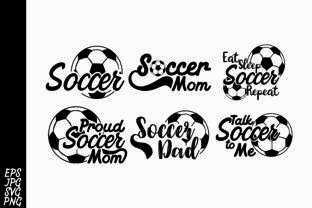
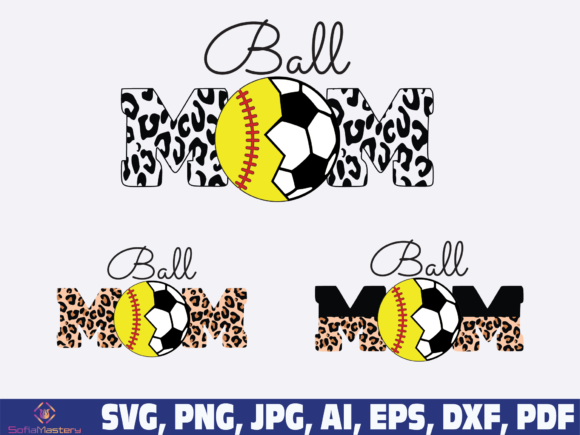
Right off the bat, Ball Mom Soccer Mom carries a specific, friendly energy. It’s clearly thematic, celebrating a particular slice of life. The layout feels balanced, not overly crowded, which is a huge plus for embroidery where dense areas can become problematic. This isn't a hyper-detailed, intricate illustration; it’s a graphic with a personality meant for clear, readable stitching. The mood is playful and proud, perfect for a personalized gift or apparel aimed at a soccer-loving parent. For a craft business, this translates into a design with strong recognition—your customer knows exactly what it represents the moment they see it.
Where This Design Finds Its Home
I immediately envision this on a mid-weight cotton sweatshirt or a sturdy canvas tote bag. These are my go-tests for a design’s real-world performance. On a sweatshirt, embroidered on the left chest or across the back, Ball Mom Soccer Mom would become a statement piece of casual apparel. For a small business owner selling at craft fairs, this design on a tote bag is a fantastic, functional product. It also screams "custom team gift." Imagine stitching it on a matching set of hoodies for a group of soccer moms—the visual consistency would create a polished, professional-looking result that feels handmade yet cohesive.
It would also adapt well to a baby’s jersey or a simple patch that could be ironed onto a backpack. The scale is forgiving. However, I’d be cautious about putting it on very thin fabrics like lightweight tees without excellent stabilizer, as any fill stitch areas might pull. Similarly, on a curved surface like a cap, the layout would need careful positioning to ensure the text remains readable along the curve. This is where testing on scrap fabric is non-negotiable.
Scenarios Where It Adds Real Value
Let’s walk through a real case: I’m preparing a custom order for a client who wants a unique gift for her friend, a dedicated soccer mom. She’s requesting an embroidered pillow cover for the friend’s game-day reading nook. Ball Mom Soccer Mom is a perfect candidate. The design’s theme directly hits the emotional mark. Stitched in a contrasting thread color on a neutral linen pillow, it becomes a cherished, personalized home decor item. The value isn’t just in the stitching; it’s in the perfect fit of the design to the recipient’s identity. For an Etsy seller, a well-executed pillow cover with this design is a listings photo that tells a story and engages a buyer looking for that specific niche gift.
Practical Stitching Considerations for the Maker
As a designer who turns graphics into embroidery, my mind goes to the technical translation. The provided file formats—SVG, DXF, PNG, PDF, AI, JPG, EPS—are a robust kit. This flexibility is crucial. It means I can easily import it into my software for digitizing, create printable mockups for my shop listings, or even use it for complementary vinyl work if I’m offering multi-medium products. The fact that the SVG can be used with Cricut Design Space and other popular platforms is a significant plus for crafters who blend techniques.
When I digitize this for machine embroidery, I’m thinking about stitch density. Areas that look like solid shapes in the graphic will need to be converted into fill stitches. I’d aim for a moderate density to maintain softness on apparel, especially if it’s going on a child’s garment or something that needs frequent washing. Too dense, and it becomes stiff and prone to puckering. The small text elements, like "Mom," require careful attention. A clean satin stitch or a precise running stitch will be needed to keep those letters sharp and legible, especially on darker fabric backgrounds. A test stitch on a scrap of the actual project fabric, with the chosen thread colors, is an absolute must. This reveals any issues with contrast or small detail clarity.
- Always test on scrap fabric first. Match the project's fabric weight and texture.
- Check thread color contrast. How does it look on both light and dark backgrounds?
- Review your digitized stitch density. Avoid overly dense fills for comfortable wearables.
- Confirm your hoop size can accommodate the design at your desired scale.
- Use proper stabilizer. This is key for stretchy fabrics or textured materials like towels.
- Inspect small details after your test stitch. Ensure text is clean and recognizable.
Navigating Potential Limitations with Confidence
No design is universally perfect for every application. For Ball Mom Soccer Mom, I’d use it carefully on very small items where the design would need to be scaled down significantly. Tiny hoop sizes might compromise the readability of the text and the overall impact. Similarly, on highly textured fabrics like some blankets, the details could get lost. The design’s strength is in its clear, graphic statement, so putting it on a surface that fights that clarity reduces its value.
For commercial embroidery projects—say, producing fifty tote bags for a local soccer league—this design works wonderfully because it’s easily recognizable and likely appeals directly to the group. However, always confirm the licensing terms before selling finished items or using the design in commercial work. The product description doesn’t specify these terms, so that’s a vital step you must take on your own. Understanding whether you can sell the physical products you make, or if there are limitations, protects your business and maintains customer trust.
The Final Stitch: Impact on Your Craft Business
Choosing a design like Ball Mom Soccer Mom is more than picking a graphic; it’s choosing a product direction. It fits into a niche. That’s powerful. For a handmade shop owner, it allows you to target a specific audience—sports parents. A well-embroidered product using this design demonstrates professionalism and attention to detail, boosting the perceived value of your work. It’s giftable, it’s personal, and when stitched cleanly on quality materials, it becomes a premium item versus a generic one.
For digital product sellers, this bundle of formats is itself a versatile asset. You could create printable mockups for other makers, or use the graphics in marketing materials for your own embroidery services. The key is leveraging its clear theme. Ultimately, Ball Mom Soccer Mom feels like a dependable, thematic design tool. It’s not overly complex, which makes it adaptable. Its real success lies in your execution: pairing it with the right project, fabric, and thread, and understanding its natural home in the world of crafts and personalized apparel. Stitch it with thought, and it will resonate.