A Soccer Ball Design Fit for Real Embroidery Projects
The First Impression: A Classic, Clean Graphic
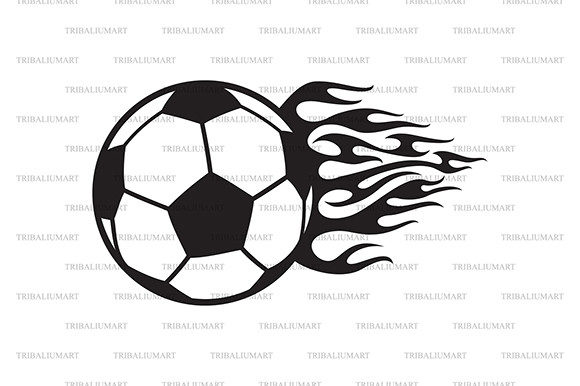
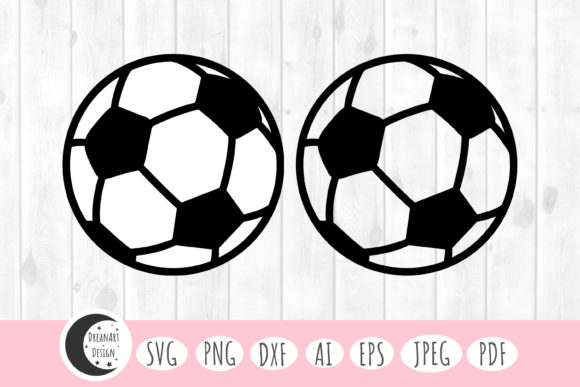
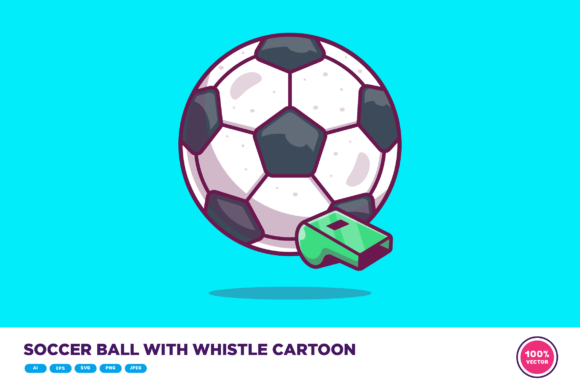
When you first open the Ball Design Soccer Ball, what stands out is its clarity. This isn't a hyper-realistic, overly detailed illustration; it's a clean graphic with a classic feel. The mood is sporty, straightforward, and universally recognizable. For an embroidery designer, that’s a promising start. The shape is well-defined, and the layout of the traditional ball panels is clear without being fussy. This visual personality means it won't fight with other elements on a garment or product. It feels like it naturally belongs on custom apparel, youth items, or anything celebrating teamwork and play.
Where This Design Finds Its Perfect Home
Imagine you're preparing a batch of embroidered tote bags for a local youth soccer league fundraiser. You need a design that’s instantly understood, looks sharp, and stitches out cleanly on bag fabric. This ball design is exactly that. It would translate beautifully onto those bags, creating a product that feels cohesive and professional. Similarly, on the left chest of a sweatshirt or as a small accent on a baby’s blanket, it offers a touch of personality without overwhelming the item. For Etsy sellers or craft business owners creating league merchandise, personalized gifts for coaches, or simple sport-themed kitchen towels, this graphic provides a versatile, easy-to-use asset.
Beyond Apparel: Patches, Decor, and Branding
The applications extend further. As an embroidered patch, it would hold its shape well, with the distinct panels offering clear areas for satin stitch or fill stitch. For small shop owners adding boutique branding to their packaging or printable mockups, the clean lines make it a reliable design asset. It’s the kind of graphic that enhances product value through its crisp execution, fostering customer trust in the quality of your handmade product.
Practical Considerations for Stitching Success
While the design is clean, its successful translation into thread depends on mindful execution. The areas where the ball panels meet create natural corners. On very small hoop sizes, these details will need attention to maintain stitching clarity. This design would thrive on mid-weight fabrics like cotton twill for tote bags or standard sweatshirt material. On highly textured fabrics or very thin, stretchy fabric, the distinct shapes might lose some definition if the stitch density isn’t managed well. Always, always test the design on scrap fabric first.
A crucial note for projects on dark fabric backgrounds: the design’s appeal relies on contrast. You'll need to check thread color contrast carefully. A white or bright yellow thread on a black cap would make this pop, but a low-contrast combination could render it muddy. This is also true for items needing frequent washing, like team jerseys or aprons; a robust stitch build-up with proper stabilizer will ensure the graphic survives the laundry.
Navigating Tricker Surfaces
Curved surfaces like caps present a specific challenge. The rounded nature of the ball design could work well there, but the stitch file must be adapted for that curvature to prevent distortion. Similarly, using it on a small, delicate item like a baby’s beanie requires simplifying the stitch density to keep the fabric soft and flexible. For crafters and apparel decorators, thinking through the final product’s form is key.
The Impact on Your Business and Clients
Using a well-executed, recognizable graphic like this does more than decorate a product. It boosts professionalism and brand consistency. If you're a digital product seller offering this as part of a sports-themed bundle, its clarity in digital embroidery file previews helps with buyer engagement. For the end customer receiving a personalized gift—a pillow cover for a soccer fan, for instance—the immediate recognition of the ball adds to the gift’s thoughtfulness. It feels intentional, not generic.
Essential Designer Notes Before You Hoop the Fabric
Before running this design for a real embroidery project, a few practical steps are non-negotiable. First, review the provided file formats—AI and EPS—to ensure compatibility with your embroidery software process. Since specific hoop size or exact stitch counts aren’t detailed here, you must confirm those parameters in your machine software. Inspect the small details in a digital preview at 100% scale to see how the corners and lines will translate into stitches.
- Run a test on both light and dark scrap fabric to assess thread color needs.
- Consider creating simple black and white mockups to visualize the design’s form stripped of color.
- Evaluate whether the stitch density looks appropriate for your target fabric (e.g., a dense fill might be too stiff for a tea towel).
- Most importantly, confirm the licensing before selling any finished items or commercial embroidery projects. Understand your rights regarding personal use and small shop merchandise.
This Ball Design Soccer Ball, from the category of Illustrations and Graphics, has the potential to be a dependable, go-to graphic in your library. Its strength is in its simplicity and universality. By pairing it with the right fabric, thoughtful thread choices, and a thorough testing routine, you can create finished products that look professional, feel cohesive, and delight your clients or customers. It’s a design that, when embroidered well, speaks clearly and confidently without saying a word.